
Snowball Shrimp
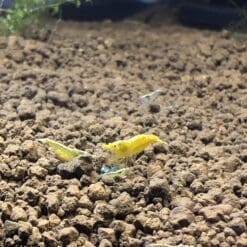
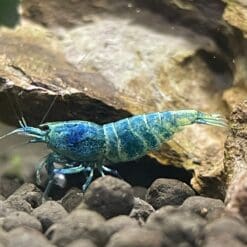
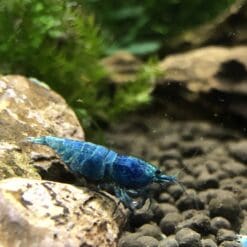
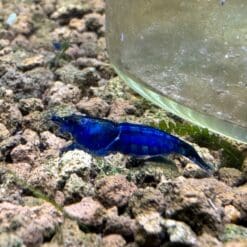
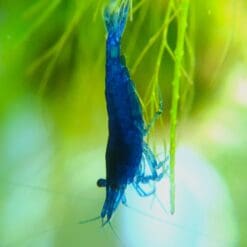
Neocaridina Snowball shrimp are a stunning and hardy freshwater species known for their translucent white bodies and ease of care. They’re perfect for beginner and experienced aquarists alike! Here’s everything you need to know to create the ideal environment for these fascinating creatures:
Tank Setup
- Tank Size:
- A 5-gallon tank is sufficient for a small colony, but a larger tank (10-20 gallons) allows for better stability and more space for growth.
- Substrate:
- Fine gravel or sand works well, though darker substrates enhance their bright white coloration.
- Plants and Decor:
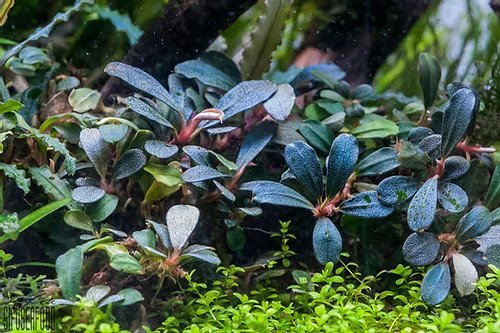
- Live plants like mosses (Java moss, Christmas moss) provide hiding spots and biofilm for grazing.
- Add driftwood, rocks, or shrimp-specific hides for additional shelter.
Water Parameters
Snowball shrimp are resilient but thrive in stable conditions:
- Temperature: 70-78°F (21-26°C)
- pH: 6.5-7.5
- GH (General Hardness): 6-8 dGH
- KH (Carbonate Hardness): 3-6 dKH
- TDS (Total Dissolved Solids): 150-250 ppm
Use a heater and thermometer to maintain temperature consistency and a reliable test kit to monitor water parameters.
Filtration and Water Quality
- Filter: Use a gentle sponge filter or a canister filter with a pre-filter sponge to prevent shrimp from being sucked in.
- Water Changes: Perform weekly 10-20% water changes using dechlorinated water that matches the tank’s parameters. Sudden changes can stress or harm the shrimp.
Diet
Snowball shrimp are omnivorous and easy to feed:
- High-quality shrimp pellets or granules
- Blanched vegetables (zucchini, spinach)
- Algae wafers and biofilm in the tank
Remove uneaten food after 24 hours to prevent fouling the water.
Tankmates
Snowball shrimp are peaceful and can be kept with other small, non-aggressive species like:
- Nano fish (e.g., neon tetras, chili rasboras)
- Snails (e.g., nerite or mystery snails)
Avoid predatory or aggressive fish like bettas or cichlids.
Breeding
One of the highlights of keeping Snowball shrimp is how easily they breed in the right conditions!
- Females carry eggs under their abdomen for 3-4 weeks before hatching.
- Baby shrimp can graze on biofilm and powdered shrimp food.
With consistent water parameters and good care, you’ll soon have a thriving colony!
Pro Tips:
- Add Indian almond leaves to the tank for tannins that promote health and mimic their natural habitat.
- Monitor copper levels in water and food—it’s toxic to shrimp!
Snowball shrimp are not only beautiful but also contribute to a clean and vibrant tank ecosystem. With proper care, these delightful creatures will flourish and bring life to your aquarium!
Do you have any specific questions or need help with your setup? Let me know! 🌿🐟


Reviews
There are no reviews yet.